






1. The Nature of Light
Light is an electromagnetic wave, and its wavelength determines the colors we see. The spectrum that the human eye can perceive is between 400 and 700 nanometers, and light within this range is called visible light.
The essence of light is energy, capable of transmission and propagation, but it has no mass. The speed of light is a constant, 299,792,458 meters per second, which is also the definition of the speed of light.
2. The Function of a Light Bulb
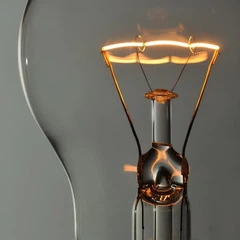
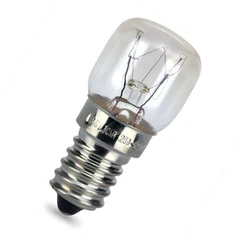
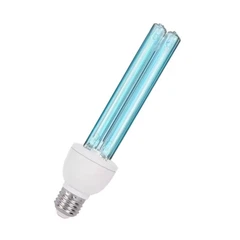
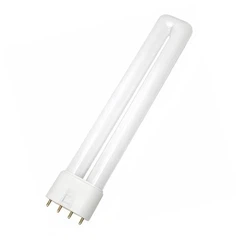
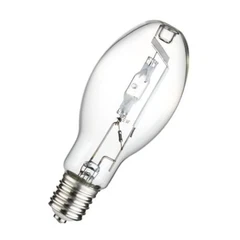
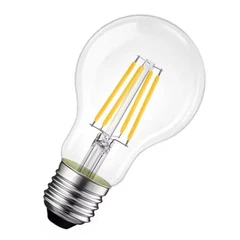
A light bulb is a device that converts electrical energy into light energy. In a light bulb, an electric current passes through a thin filament, causing it to heat up and emit light. This heated filament is typically made of tungsten because of its high melting point and high chemical stability.
However, a light bulb is not a true light source. Instead, it is merely a medium that converts electrical energy into light energy. The light actually comes from the heating of the filament, not from the bulb itself.
3. The Difference Between a Light Bulb and a Light Source
A true light source is an object that can emit light, such as the sun or a flame. These light sources emit light naturally, without requiring any medium to convert it.
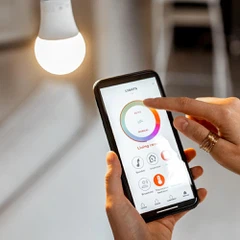
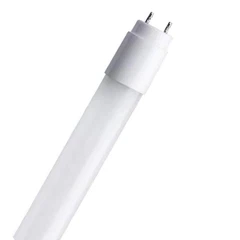
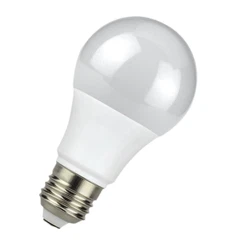
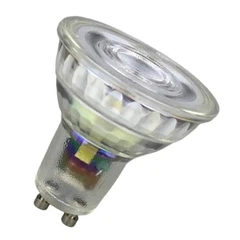
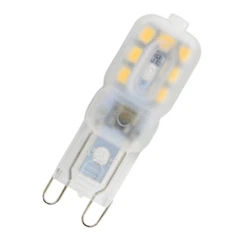
In contrast, a light bulb is simply a device that converts electrical energy into light. While it can emit light, that doesn't make it a true light source.
IV. Conclusion
Although a light bulb can emit light, it isn't a true light source. The essence of light is energy, and a light bulb is merely a medium that converts electrical energy into light energy. By understanding the nature of light and the function of a light bulb, we can better understand why a light bulb cannot be considered a light source.