

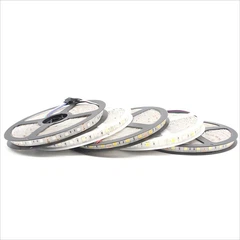
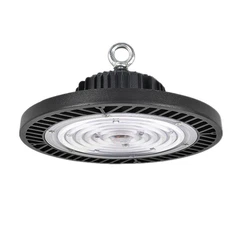
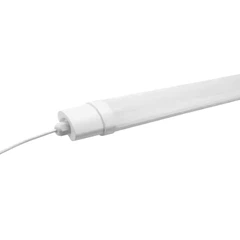
Tunnel Lighting
The Tunnel Lighting Manufacturer!
Todaybulb specializes in the design and manufacturing of LED bulbs, conventional bulbs, tubes, and indoor & outdoor lighting solutions. Widely used in homes, shopping malls, hospitals, schools, workshops, sports fields, and commercial spaces worldwide, Todaybulb delivers energy-efficient, durable, and high-performance lighting products for modern residential and commercial environments.
-
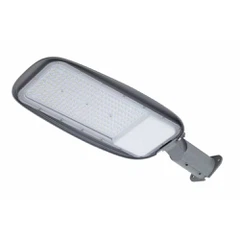
![High Power Led Tunnel Light]() High Power Led Tunnel LightHigh power LED tunnel light is a professional lighting equipment designed for highway tunnels, underground passages and other semi-enclosed spaces. It adopts high efficiency LED light source and...read more
High Power Led Tunnel LightHigh power LED tunnel light is a professional lighting equipment designed for highway tunnels, underground passages and other semi-enclosed spaces. It adopts high efficiency LED light source and...read more -
![Underground Tunnel Light]() Underground Tunnel LightUnderground tunnel light is a type of LED flood light specialized designed to enclosed subterranean environments such as road tunnels and metro systems. Engineered for safety, durability and...read more
Underground Tunnel LightUnderground tunnel light is a type of LED flood light specialized designed to enclosed subterranean environments such as road tunnels and metro systems. Engineered for safety, durability and...read more -
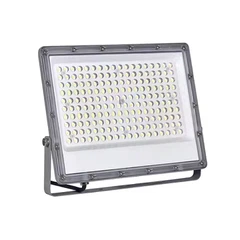
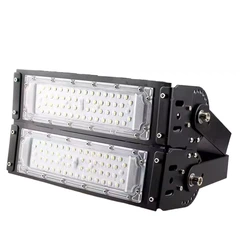
![Module Flood Light]() Module Flood LightThe module flood light provides a high performance lighting solution designed with a modular structure. This modular design not only facilitates maintenance and replacement but also allows for...read more
Module Flood LightThe module flood light provides a high performance lighting solution designed with a modular structure. This modular design not only facilitates maintenance and replacement but also allows for...read more


Why Choose Us
Wide range
Todaybulb offers 28 major product categories with more than 1,000 types of lighting products, including LED bulbs, tubes, panel lights, floodlights, and indoor & outdoor luminaires. With diverse specifications and innovative designs, Todaybulb provides comprehensive lighting solutions for residential, commercial, industrial, and public infrastructure projects worldwide.
Flexible production
Todaybulb features flexible production lines that can quickly adapt to different product specifications and customization requirements. Supporting small batch orders and fast production scheduling, Todaybulb provides efficient OEM and ODM lighting solutions for wholesalers, retailers, contractors, and global business partners.
Quality assurance
Todaybulb implements strict multi-stage quality control procedures for every order, including material inspection, production testing, and final product verification. This rigorous quality assurance system ensures reliable performance, consistent standards, and worry-free purchasing experience for global lighting wholesalers and commercial customers.
Certificate
Todaybulb holds over 20 international certifications, including safety, quality, and environmental standards, ensuring smooth customs clearance and global compliance. These certifications give wholesalers, distributors, and international buyers confidence in sourcing reliable, high-quality lighting products for residential, commercial, and industrial applications worldwide.
|
Model |
Wattage |
Size |
Lumen Efficiency |
Color Temperature |
CRI |
PF |
Material |
IP Level |
Voltage |
|
TNL-TUNNEL |
100W |
100*405*190mm |
100 LM/W |
3000~6500K |
≥80 |
≥0.95 |
Die cast aluminum + PC Lens |
IP65 |
85-265V |
|
TNL-TUNNEL |
200W |
205*405*190mm |
|||||||
|
TNL-TUNNEL |
300W |
310*405*190mm |
|||||||
|
TNL-TUNNEL |
400W |
415*405*190mm |
|||||||
|
TNL-TUNNEL |
500W |
520*405*190mm |
|||||||
|
TNL-TUNNEL |
600W |
625*405*190mm |
Advantages of Tunnel Lighting


Enhanced Driver Visibility and Safety: LED tunnel lamps provide high brightness and high lumen output, enhancing the driver's visibility and reducing the risk of accidents, thereby enriching the overall user experience.
Emergency Energy Storage Function: LED tunnel lamps can quickly respond to changing conditions or emergencies inside the tunnel by using stored energy in backup batteries, even during voltage drops.
Durability and Resilience: LED tunnel lighting fixtures are designed for harsh environments. They are vibration-resistant, can withstand extreme temperatures, and are moisture-proof, ensuring reliable operation even in the toughest conditions and during voltage drops.
Integration with Smart Control Systems: LED tunnel lamps can easily integrate with smart control systems, allowing for remote monitoring, dimming functions, and optimized energy management, enhancing the efficiency and flexibility of the tunnel environment.
Unmatched Energy Efficiency: LED tunnel lighting fixtures lead in energy efficiency, significantly reducing the power consumption compared to traditional products, making them a more economical and feasible choice for tunnel lighting.
Extended Lifespan: LED tunnel lamps have a lifespan of up to 100,000 hours, requiring minimal maintenance and replacements, reducing maintenance interruptions and lowering power consumption for tunnel operators.
Excellent Visibility: High-end LED tunnel lamps provide uniform lighting, reduce glare, and improve the overall visibility for drivers, making driving safer.
Smart Technology: With the promotion of technological innovations like 5G, the Internet of Things, and artificial intelligence in lighting applications, various domestic tunnel lighting facilities are beginning to show signs of smart upgrades. Technologies such as intelligent traffic flow detection dimming allow real-time automatic adjustment of brightness levels, achieving "lights on when cars come, lights dim when cars go" for different lighting sections.
High Efficiency and Energy Saving: The wave of replacing traditional light sources with LED is advancing deeply in the renovation of various road lighting facilities. Tunnel lighting is following this trend, providing better visibility, thus enhancing driver confidence, while also featuring low energy consumption and long lifespan.
Aesthetics: LED tunnel lighting has gradually become a beautiful scenery on the road. For example, LED lighting scenes can improve driving guidance safety, delight passengers, and eliminate visual fatigue.
The Structure of LED Tunnel Light
Lamp Body: Typically made of aluminum alloy, with die-cast aluminum or finned module structures being common. High-quality bodies are large and thick.
Heatsink: Modern LED tunnel lights use an integrated heatsink. To know if the lamp has good heat dissipation, you should check the surface area rather than the volume, weight, or thickness. The larger the surface area, the better the heat dissipation.
Light Source: SMD LED chips and 1w high-power LED are the main light sources. Each module generally contains 50-60 LED chips, around 50W. The quality and price of LED sources vary greatly.
Driver: Isolated constant current drivers are used. High-quality drivers have features of an aluminum shell, full potting, isolation, constant current, flicker-free operation, and a high power factor. Different brands of LED drivers vary greatly in price and quality.
Light-Emitting Cover: Generally uses a PC cover with a lens for high-light transmission.
Things to Considering for Tunnel Lighting Design
Tunnel Length and Shape
The length and shape of the tunnel directly affect how many lights are needed and where they should be placed. Longer tunnels require more fixtures to ensure consistent illumination. Curved tunnels demand careful placement to eliminate blind spots and dark areas where visibility could drop.
Traffic Volume and Speed
The type of traffic using the tunnel is critical. High-speed traffic requires brighter lighting to give drivers enough reaction time. Similarly, tunnels with heavy vehicle flow may need higher illumination to keep congestion safe and manageable.
Environmental Conditions
Tunnels are often exposed to moisture, dust, vehicle emissions, and pollution, all of which can reduce visibility. Using LED vapor-tight fixtures ensures resistance to these conditions. Fixtures should also be corrosion-resistant to handle long-term exposure to harsh environments.
Brightness and Lux Levels
International standards dictate different lux levels for each tunnel zone. The entrance requires higher lux to counter daylight glare, while the interior zone maintains lower but consistent brightness. Careful calculations ensure smooth transitions and avoid sudden changes that strain the eyes.
Energy Efficiency
LED tunnel lights are far more efficient than older HID lamps, often cutting energy use by 60–70%. This efficiency lowers operating costs while still delivering the high performance needed for tunnel safety.
Safety and Emergency Lighting
Emergency lighting systems are a must. In the event of a power failure, backup lights provide enough brightness for drivers to exit safely. They also support evacuation procedures during accidents or natural disasters.
Maintenance and Accessibility
Tunnels often have restricted access for maintenance due to traffic. Fixtures must be designed for easy servicing and long lifespans, reducing the need for frequent shutdowns.
Lighting Uniformity and Anti-Glare Design
Uneven lighting or glare can cause eye strain and accidents. Fixtures with advanced optics should be used to ensure uniform light distribution. Anti-glare designs keep drivers comfortable, even during long trips.
Color Rendering
A high CRI (Color Rendering Index) of 80 or above helps drivers see signs, lane markings, and other vehicles clearly. This improves overall safety and reduces mistakes.
Light Pollution
Lighting design should prevent spill light escaping from tunnel entrances. This protects surrounding communities and reduces environmental impact on wildlife.
Smart Lighting Solutions
Modern tunnels increasingly use smart systems. Sensors can adjust brightness automatically based on daylight conditions, traffic volume, or emergencies, improving both efficiency and safety.
Compliance with Standards and Regulations
Every tunnel must comply with local and international standards, such as those from IES or CIE. Meeting these ensures that the system is safe, efficient, and legally certified.
Common Tunnel Lighting LED Fixture Types
|
Tunnel Lighting Fixture type |
Series |
Anti-flicker |
Anti-glare |
Waterproof rating |
Operating temperature |
Sensor Dimming |
Emergency Lighting |
DALI protocol function |
|
Tunnel Linear Light |
K-series |
√ |
√ |
IP66 |
-20℃-40℃ |
Support |
Support |
X |
|
LED Wraparound Light |
P-series |
√ |
√ |
IP65 |
-20℃-40℃ |
Support |
Support |
X |
|
Vapor Tight LED Batten Light |
L-series |
√ |
√ |
IP66 |
-20℃-40℃ |
Support |
X |
X |
|
Emergency Linear Tube Light |
V-series |
√ |
√ |
IP65 |
-20℃-40℃ |
Support |
Support |
X |
|
LED Weatherproof Fixtures |
P-series |
√ |
√ |
IP65 |
-20℃-40℃ |
X |
Support |
X |
|
Wire Guard Led Linear Tube Fixture |
J-series |
√ |
√ |
IP20 |
-20℃-40℃ |
Support |
Support |
Support |
|
Note: x –No this function; The Emergency Lighting version’s operating temperature is 0 – 40℃ |
||||||||
Packing & Loading


FAQ
As one of the most professional tunnel lighting suppliers in China, we're featured by quality products and good price. Please rest assured to buy bulk customized tunnel lighting from our factory. Also, quotation is available.
Module Flood Light, tunnel lighting, Underground Tunnel Light