


01
Outdoor Lighting Overview
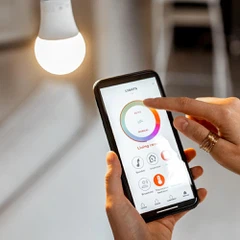
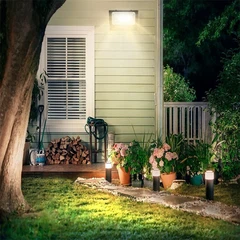
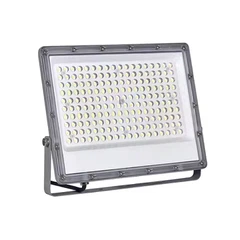
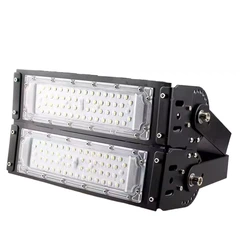
Outdoor lighting fixtures are designed specifically for outdoor environments, such as parks, squares, roadsides, and outdoor advertising spaces. They not only meet the demands of outdoor visuals but also create decorative effects through their exquisite design. The lamp panels of these fixtures are constructed from high-quality steel and hot-dip galvanized, ensuring durability. Fasteners such as bolts and nuts are made of stainless steel, further enhancing the fixture's durability. Rust resistance is crucial, and the fixture must be securely grounded during installation. Compared to residential lighting, outdoor lighting fixtures offer higher wattage, greater brightness, and a larger size, as well as longer lifespans and lower maintenance costs. Furthermore, they offer a wider range of control options, including manual, light-controlled, time-controlled, and computer-controlled.
02
Street Lights and Manufacturing Requirements
▣ Suitable Locations and Features
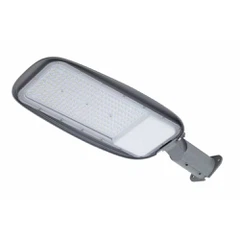
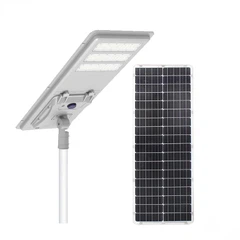
Street lights are suitable for locations such as highways, overpasses, parking lots, stadiums, freight yards, ports, airports, and public recreational plazas. Its unique design not only provides outstanding decorative appeal but also provides effective illumination. It illuminates a wide area, provides excellent lighting effects, and features a concentrated and even light source with effective glare control. It is also easy to operate and maintain.
▣ Materials and Construction Considerations
Light poles are typically made from Shanghai Baosteel Q235A carbon steel, also known as Q235 steel. This steel is readily available, offers moderate hardness, and is affordable. Furthermore, Q235 steel has excellent ductility and workability, making it ideal for light pole construction. Before construction, carefully review the design and ensure the following: 1. Determine the height of the pole; 2. Confirm the upper and lower diameters of the pole; 3. Determine the required thickness of the pole; 4. Pay attention to the flange design of the pole; 5. Inquire with the customer about the extension length of the pole arm; 6. Select the appropriate rust-proofing method for the pole; 7. Determine the coating finish for the lamp tube; 8. Confirm whether a matching ground cage is required; and 9. Determine whether the light source equipment is included.
03
Lawn Lights and Garden Lights
▣ Lawn Light Applications and Materials
Lawn lights typically have a height of approximately 0.6-1.2 meters and are suitable for a variety of locations, including parks, scenic areas, and upscale communities. They are available in a variety of materials, including iron (Q235 steel), aluminum alloy, stainless steel, copper, marble, wood, resin, and wrought iron. Surface treatments typically include spraying or painting.
▣ Garden Light Significance and Specifications
Garden lights are primarily used to improve the living environment and enhance residents' quality of life. They are widely used in urban roads, residential areas, industrial parks, and landscape lighting. They offer a variety of aesthetically pleasing features, typically referring to outdoor road lighting fixtures under 6 meters tall. These features include heights of 2.5, 3, 3.5, 4, 4.5, 5, and 6 meters.
▣ Garden Light Materials and Treatments
Garden light bases are made of a variety of materials, most commonly die-cast aluminum and iron, with either hot-dip or cold-dip galvanizing for corrosion resistance. Translucent materials include PMMA acrylic sheets, PC boards, and glass, offering excellent light transmittance, UV resistance, and durability.
▣ Garden Light Source and Appearance
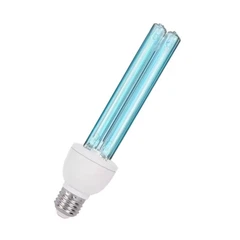
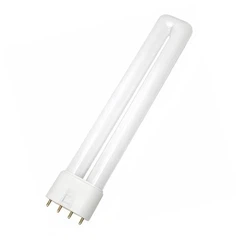
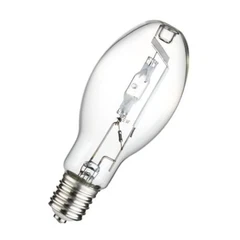
For light sources, we offer a wide and flexible selection, including LEDs, CFLs, high-pressure sodium lamps, and metal halide lamps. Exterior colors can be customized to meet customer needs through spraying with outdoor powder or fluorocarbon paint. Color separation can also be applied to create unique effects.