

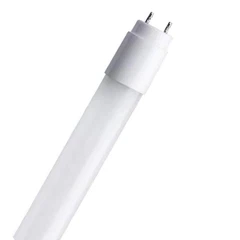
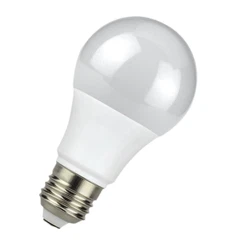
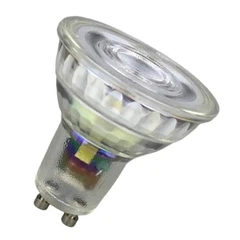
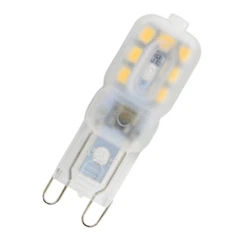
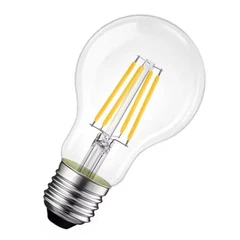
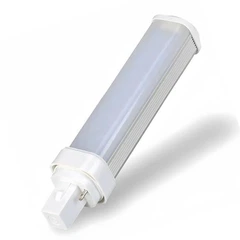
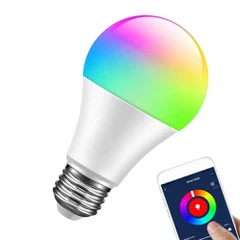
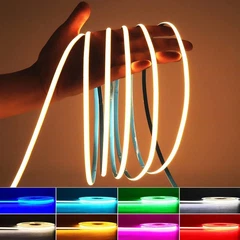

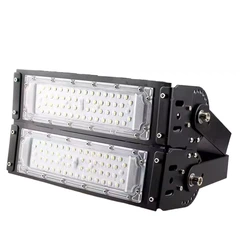
I. Considerations When Purchasing LED Lights
1. Consider the Specifications:
- Luminous Flux (Lumens): A reference value for brightness. Recommended values are 300-500 lumens for an average bedroom and 800-1500 lumens for a living room (according to the "Architectural Lighting Design Standard" GB 50034-2013).
- Color Temperature (K): Warm light (2700K-3000K) is suitable for bedrooms, while cool white light (5000K-6500K) is suitable for offices.
- Color Rendering Index (CRI): Choose lamps with a CRI ≥ 80 for more realistic color reproduction.
2. Avoid Substandard Products:
- Check for 3C certification. Substandard LED lights may flicker (a fluctuation depth of ≤3.2% is considered safe, according to IEEE Standard 1789-2015), which can be harmful to your eyes if used for a long time.
II. Key Details for Installation and Use
1. Proper Installation:
- Ensure adequate heat dissipation: Leave at least 5cm of clearance behind the LED light to prevent overheating (recommended operating temperature ≤ 60°C).
- For humid areas (such as bathrooms), choose a light with a waterproof rating of IP44 or higher.
2. Usage:
- Avoid frequent on-off cycles: LEDs draw a high starting current, and switching them on and off more than 10 times a day may shorten their lifespan (high-quality LED lights can operate over 50,000 times).
- Avoid prolonged full-load operation: It is recommended that daily operation not exceed 12 hours. A timer can be used.
III. Maintenance and Disposal
1. Cleaning:
- After powering off, wipe with a dry cloth. Avoid direct contact of water or alcohol with the circuitry (which may corrode components).
2. Recycling Instructions:
- LEDs contain trace amounts of heavy metals (such as arsenic) and should be disposed of at electronic waste recycling points. They should not be discarded at will (according to the "Catalogue of Waste Electrical and Electronic Products Disposal").
IV. Extensions: Energy Saving and Scene Adaptation
1. Smart Control:
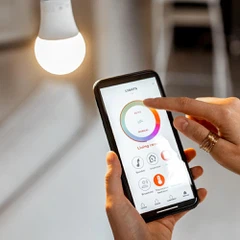
- Combined with motion sensors or dimmers, energy savings can reach 30% (according to the U.S. Department of Energy).
2. Recommendations for Special Scenarios:
- Choose lamps with no blue light hazards (RG0 rating) for children's rooms, and avoid shadows in reading areas.
These measures can enhance the user experience of LED lighting while maximizing its environmental and economic value.