

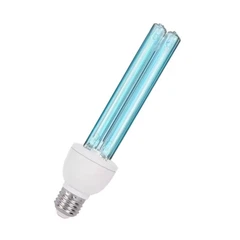
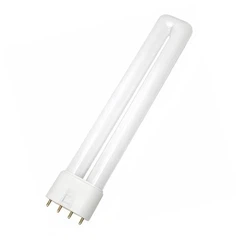

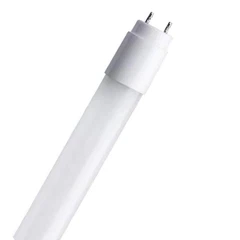
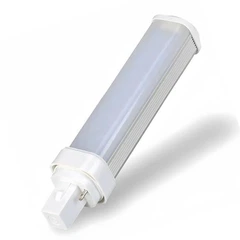

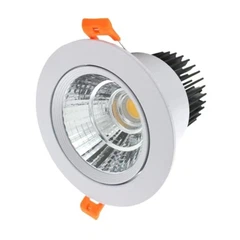
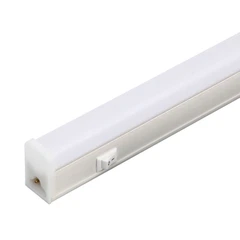
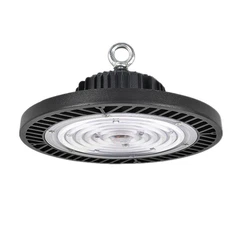
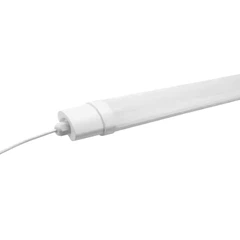

Phosphor powder shedding from fluorescent tubes could be a quality issue, or it could be related to the production process, operating environment, and maintenance. It's important to consider a variety of factors to determine whether it's a quality issue.
In daily life, many people encounter a problem with fluorescent tubes: after a period of use, some phosphor powder will fall off the surface of the tube. This phenomenon has caused concern among many consumers, wondering if it indicates a quality issue with the fluorescent tube they purchased. Let's delve deeper into this issue.
1. Basic Structure and Working Principle of Fluorescent Tubes
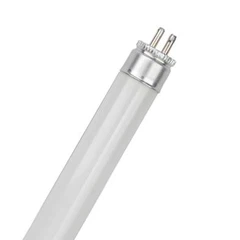
First, we need to understand the basic structure and working principle of fluorescent tubes. Fluorescent tubes primarily consist of a glass tube, phosphor coating, electrodes, and an inert gas. When current passes through the electrodes, it excites the inert gas inside the tube to emit light, which in turn excites the phosphor coating to emit visible light. Therefore, the phosphor coating is a critical component of fluorescent tubes' light production.
2. Possible Causes of Phosphor Powder Shedding
1. Production Process Issues: During the production process, if the phosphor coating is unevenly applied or not fully cured, it can cause the phosphor to fall off during use. In this case, the fluorescent tube does have a quality problem.
2. Environmental Impact: The operating environment of a fluorescent tube can also affect its performance. For example, long-term exposure to harsh environments such as humidity, high temperature, or vibration can accelerate the loss of the phosphor coating. Additionally, impact or scratches on the tube surface can also cause the phosphor to fall off.
3. Improper Maintenance: Improper cleaning or lamp replacement, such as using an overly rough cloth to wipe the tube surface, can also cause the phosphor to fall off.
III. How to Determine if a Fluorescent Tube Has a Quality Problem
We cannot simply assume that the loss of phosphor from a fluorescent tube is a quality issue. We should make a comprehensive assessment based on the specific circumstances:
1. Observe the tube's appearance: Check for visible coating loss, scratches, or damage. If the tube appears intact but phosphor is still falling off, it may be due to problems with the production process or the environment.
2. Understand the operating environment: Ask the user whether the tube is being used in a harsh environment, such as if it is frequently exposed to humidity, high temperature, or vibration. If this is the case, phosphor shedding may be related to the operating environment.
3. Check maintenance: Check whether the user has properly cleaned and replaced the lamp according to the instructions. Improper maintenance can also cause phosphor shedding.