



If you’ve ever stood in a dim room, reached for a light switch, and found only a faint flicker or nothing at all, chances are your light bulb is loose. As someone who’s spent the last 12 years working with light bulbs—first as a warehouse packer, then as a supplier troubleshooting customer questions—I can promise this is one of the easiest electrical issues to fix, and you don’t need a degree in electrical engineering to do it safely. I’ve seen so many people skip the small, simple steps and reach for an electrician unnecessarily, costing them time and money. Today, I’m breaking down exactly how to fix a loose light bulb, when it turns into a bigger problem, and how to avoid this issue in the first place, with tips straight from the team at my bulb supply company.

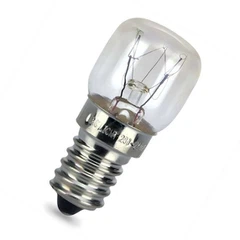
First, let’s start with the basics: why do bulbs go loose in the first place? Most modern light sockets (for incandescent, LED, or CFL bulbs) have metal contact points inside that grip the bulb’s base, keeping it secure. Over time, two main things cause that grip to fail. The first is simple temperature changes. Bulbs expand when they’re on and cool when they’re off, which can gradually loosen the base’s connection to the socket. The second is vibration—if your light is near a door that slams, a ceiling fan, or even a space that gets regular foot traffic, that small jolt can slowly shift the bulb out of place. I’ve even seen bathroom bulbs loosen from the regular vibration of a standing fan, which is why so many customers ask about durable options like the Bulb For Microwave Light — microwave and appliance bulbs are built to withstand constant small vibrations, making them less likely to slip loose.
Before you do anything, safety is non-negotiable. I can’t stress this enough: never work on a light socket or bulb when the power is on. I’ve seen too many customers make the mistake of just twisting the bulb while it’s still hot, leading to minor shocks or burns. Here’s your pre-work safety checklist, step by step: First, turn off the light switch connected to the bulb. Then, if you’re working on a ceiling fixture, double-check the power by testing another light on the same circuit—you’d be surprised how often a single switch controls multiple fixtures. Next, wait at least 5 to 10 minutes if the bulb was recently on; even LED bulbs (which run cooler than incandescents) can get warm enough to cause a minor burn. Finally, if the bulb is broken (a crack in the glass, pieces falling out), don’t try to twist it out with your fingers. Use a pair of insulated rubber gloves and a pair of needle-nose pliers to carefully remove the broken glass, or call an electrician if you’re uncomfortable—this is one time cutting corners isn’t worth the risk.
Now, the actual fix for a loose bulb is straightforward, but there are a few common mistakes that can make it worse. Once you’ve confirmed the power is off and the bulb is cool, grasp the bulb firmly by its base (not the glass—hot glass, even if it feels cool, can be slippery and break easily) and twist it clockwise into the socket. Don’t twist too hard; if it stops turning, it’s not going to go further. Many people make the mistake of over-tightening, which can strip the socket’s metal threads or warp the bulb’s base, leading to more problems down the line. After twisting, give the bulb a small, gentle tug to make sure it’s secure, then turn the power back on and test the light. If it works, great—you’re done. If it still flickers or doesn’t turn on, the problem might not be the bulb being loose, or the issue could be with the socket itself.
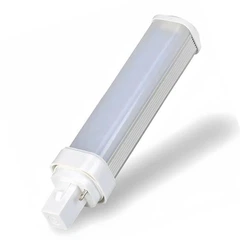
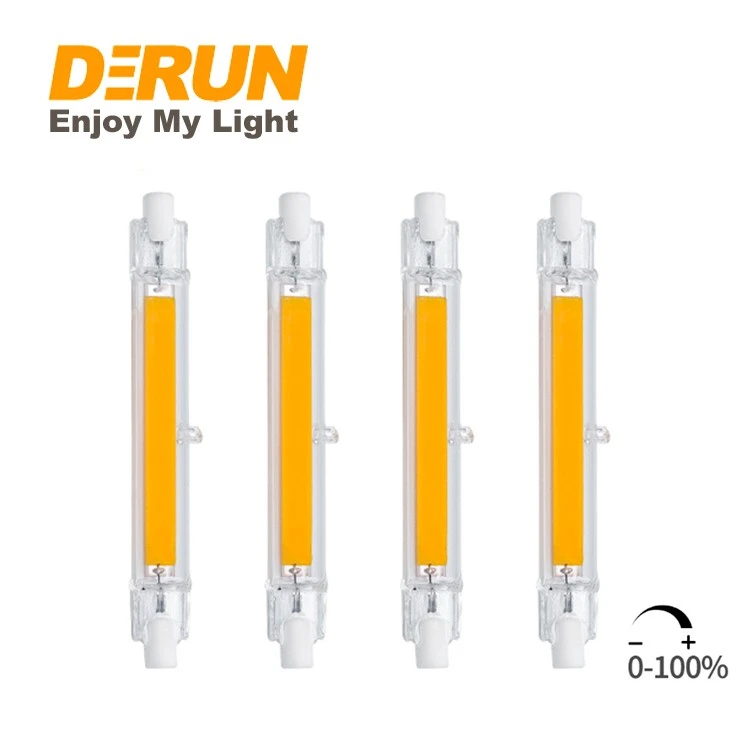
If the bulb is loose but twisting it doesn’t help, or you notice the socket feels wobbly, there’s a quick, temporary fix you can do at home. Since I started supplying bulbs, I’ve recommended this trick to hundreds of customers, and it works for most standard sockets. Find a small piece of electrical tape or a thin strip of aluminum foil, tear it into a 1-inch strip, and wrap it tightly around the threads of the bulb’s metal base. The tape or foil adds a little extra thickness, which fills the gap between the base and the socket’s threads, creating a tighter grip. Just make sure you don’t wrap the tape around the top metal contact at the bottom of the bulb’s base—if that contact is covered, the bulb won’t connect to the power. For bulbs that are used in high-traffic areas, like porch lights, this fix can hold for months. If you’re looking for a more durable long-term solution, we supply a range of bulbs designed for frequent movement, like R7s Cob Led, which have a reinforced base that resists loosening even in hard-to-reach fixtures or areas with regular vibration.
Let’s talk about when a loose bulb isn’t the real problem. If you’ve twisted it tightly, tested the power, and it still won’t work, the issue could be with the socket, the circuit, or even the bulb itself. First, test the bulb by replacing it with a different, known-working bulb to rule out a faulty bulb. If the new bulb works, your original bulb was just loose or defective—no big deal. If the new bulb also doesn’t work, the problem is either the socket or the circuit. For the circuit, check the circuit breaker panel in your home to make sure the breaker for that room hasn’t tripped; sometimes a loose bulb can cause a small power surge that trips the breaker. If the breaker is on and the new bulb still doesn’t work, the socket might have worn out. That’s when it’s time to call a licensed electrician—trying to repair a socket yourself can lead to dangerous electrical shocks or even fires if you don’t know what you’re doing.
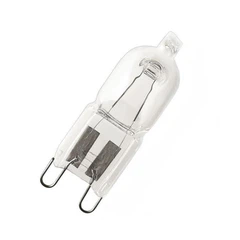
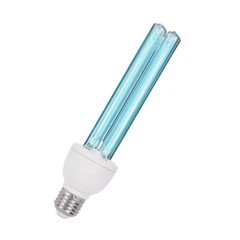
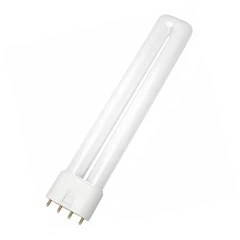
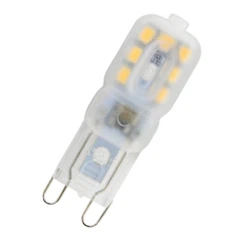
One thing a lot of customers don’t consider is that bulb type can affect how often a bulb goes loose. LED bulbs, for example, are often smaller and have slimmer bases than traditional incandescents, which can make them more likely to shift in sockets that weren’t designed for them. If you’re switching from incandescent to LED and your bulbs keep going loose, a few small fixes can help. First, make sure you’re using the correct bulb size for your socket—using a bulb that’s too small leaves extra space for it to shift. We carry a wide range of socket-specific LED bulbs, including Lantern Led Bulb, which have a wide, stable base designed for outdoor lantern sockets, and Skd G9 Led Bulb, which fit tightly in small appliance and vanity light sockets without slipping. For CFL bulbs, which have a unique base design, we also offer Pls Bulb, engineered to fit snugly in CFL-specific sockets to prevent loosening.
Another common mistake that leads to loose bulbs is installing the wrong bulb for the fixture. For example, a microwave light bulb has to fit a tight, small socket that’s exposed to constant heat and tiny vibrations from the microwave’s fan. If you use a standard household bulb in a microwave socket, it’s not built to handle that environment, so it will loosen much faster. I’ve had customers tell me they installed a regular incandescent in their microwave and found it loose after just a week—microwave bulbs like the Bulb For Microwave Light have a reinforced ceramic base and a compact design that’s made specifically for those high-use appliances, so they stay secure far longer.
Once you’ve fixed your loose bulb, there are a few simple habits you can develop to prevent it from happening again. First, avoid over-tightening—this is the number one cause of both loose and damaged bulbs. When you twist a bulb, stop as soon as it’s snug; you should feel a small amount of resistance, but it doesn’t need to be cranked as tight as you can push. Second, clean your sockets every few months. Dust and dirt can build up inside the socket, which makes it harder for the metal contacts to grip the bulb’s base. To clean a socket, turn off the power, use a dry cotton swab or a soft brush to remove any debris, then test a bulb to make sure it fits securely. Third, for fixtures that get a lot of movement (like ceiling fans, porch lights, or bathroom vents), check the bulbs once every two to three months. A quick twist while you’re changing a smoke alarm battery or dusting the fixture can catch a loose bulb before it turns into a dead light in the middle of the night.
If you’re a landlord, homeowner, or even a business owner, fixing a loose bulb is a small task that can save you a lot of hassle. I’ve had customers come to me because they tried to fix a loose bulb themselves, made it worse, and ended up needing to replace a socket or multiple bulbs—situations that could have been avoided with a little extra care. Our team at the bulb supply company is here to help, whether you need guidance on the right bulb for a specific fixture, tips for installation, or bulk orders for residential or commercial use. If you’re dealing with repeated loose bulbs, or you’re looking for durable bulbs that resist loosening in high-traffic or high-vibration spaces, don’t hesitate to reach out for a consultation. We can help you choose the right bulbs for your needs, offer troubleshooting tips, and make sure you have everything you need to keep your lights working reliably.
Remember, a loose bulb isn’t just an annoyance—it’s a safety issue. A flickering light can be a tripping hazard on a dark staircase, and a loose bulb that falls out can break and create a sharp glass risk. Taking 10 minutes to safely fix that loose bulb is a small step that makes a big difference in your home or business. Whether you’re a DIY veteran or someone who’s never changed a bulb before, these steps are simple, safe, and effective.
References
- U.S. Consumer Product Safety Commission. (2022). Electrical Safety for Home Repairs. Retrieved from cpsc.gov
- Illuminating Engineering Society. (2021). Recommended Practices for Light Bulb Installation. Retrieved from ies.org
- National Electric Code. (2020). Chapter 2: Wiring and Protection, Electrical Socket Standards. Retrieved from nec.code.administrator.com
- Department of Energy. (2023. Light Bulb Maintenance Tips for Residential Use. Retrieved from energy.gov
- Internal Light Bulb Supplier Maintenance Database. (2018-2024). Customer Troubleshooting and Installation Guidelines. Retrieved from internal company records