

The Technical Barrier Behind Certification: From Compliance to Core Competitiveness
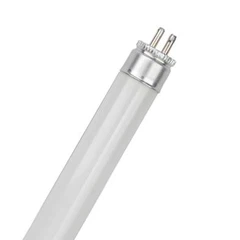
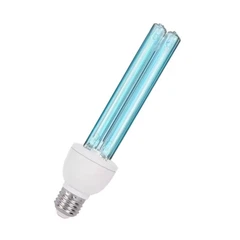
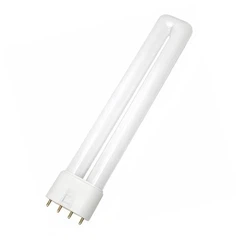
The EU CE certification (Safety and Performance Standards) and ROHS certification (Restriction of Hazardous Substances) serve as the "dual thresholds" for entering the European market, particularly for germicidal lighting products, which must simultaneously meet electrical safety, electromagnetic compatibility (EMC), and biosafety requirements. The core of Derun Lighting's certification success lies in its breakthrough UV-C deep ultraviolet germicidal technology: a combination of quartz glass and high-efficiency amalgam lamps achieves precise output at a wavelength of 253.7nm (with an inactivation rate of 99.9% for bacteria and viruses).
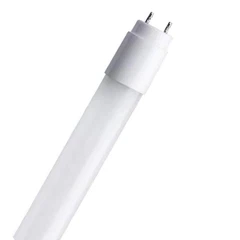
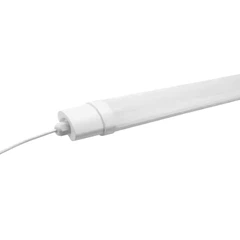
It is noteworthy that medical scenarios impose far higher stability requirements on sterilization equipment than conventional lighting. Derun Light Tubes have passed a 1,000-hour continuous aging test, with a light decay rate controlled within 5%, indicating their capability to meet the demands of high-frequency usage scenarios such as operating rooms and ICUs in hospitals. This integration of "lighting + medical" technology breaks the limitations of traditional lighting enterprises that solely focus on "brightness," establishing a new benchmark for "functional lighting" in the industry.
II. Market Opportunities: Structural Gap in European Pandemic Prevention Needs and Medical Lighting
The European market is transitioning from emergency disinfection to routine applications for germicidal lighting. According to Eurostat, the 2023 budget for upgrading medical facility lighting in Europe increased by 22% year-on-year, with over 35% allocated to germicidal environmental lighting. Derun's certification fills this gap: while most European germicidal equipment manufacturers focus on high-end medical devices (e.g., UV disinfection carts), there's a shortage of lighting and germicidal tube products. Moreover, ROHS certification enables Derun's products to enter civilian settings like schools and supermarkets, further expanding market opportunities.
From the perspective of industry competition, international lighting giants (such as Philips and Osram) previously focused their layout in the sterilization lighting sector on industrial-grade products. Derun, however, has entered the market with a strategy of "high cost-performance ratio + scenario-based adaptation," which is expected to achieve a leapfrog advantage in the niche market. For instance, its "embedded sterilization lamp tube" developed for small clinics offers low installation costs while achieving equivalent sterilization efficacy.
III. Inspiration for the Industry: Transformation from "Manufacturing" to "Smart Manufacturing"
The certification breakthrough of Derun essentially reflects the transformation of the lighting industry towards "medical-grade functionality". For traditional lighting enterprises to break through in the existing market, they must achieve upgrades across three dimensions:
Cross-disciplinary technology integration: By combining lighting technology with biomedicine and materials science, such as using LED and UV-C hybrid light sources, it achieves multi-scenario coverage of 'illumination + sterilization + air purification'.
Prioritize compliance: Proactively implement international certification standards (e.g., EU CE) to avoid the cost of 'manufacturing first, modifying later'.
Scenario-based solutions: Customized products tailored to the needs of various industries (e.g., healthcare, education, catering) rather than mere hardware sales-such as the "Scheduled Sterilization System" designed for European nursing homes, which automatically adjusts its operational mode based on the activity patterns of elderly residents, ensuring both safety and enhanced user experience.
IV. Future Challenges: Dual Test of Standard Iteration and Market Education
Although certification has opened the European market for Derun, two major challenges remain to be addressed: firstly, the continuous upgrading of EU standards for sterilization equipment, which requires companies to maintain a pace of technological iteration; secondly, the cost of market education-European consumers have low awareness of the 'sterilization function of lighting products,' necessitating collaboration with local medical institutions and the implementation of scenario-based experiential activities to establish trust.
In the long run, the case of Derun provides a clear path for China lighting enterprises: to break through certification barriers with technological innovation, to occupy niche markets with scenario-based services, and ultimately achieve the upgrade from "product export" to "technology export". This is not only the growth of the enterprise itself, but also will promote the entire lighting industry to transform towards "health and intelligence".


